Low Glycemic Index Diet Plan
What is the Glycemic Index or GI Diet?
It is a revolutionary weight loss diet plan which is based on the consumption of “good” carbohydrates or low glycemic index carbs. A low glycemic index weight loss diet combined with an exercise plan has been shown to be a very effective healthy way to lose weight and maintain your weight safely.
GI or glycemic index is a measure of how fast or slow carbohydrates in the food we eat convert into glucose (blood sugar) in our body. Glucose is the simplest form of sugar that our brain and body uses as fuel to provide us with energy and for our body functions.
The blood glucose levels determine our health and are the key to weight control. They also determine our energy levels and our emotional state.
What are GI Foods?
GI foods are any carbohydrate foods or foods that contain carbohydrates. All carbohydrates have a glycemic food index ranking. The greatest rise in sugar levels is caused by pure glucose and has been given the rank of 100 which is used as a standard by which other foods are ranked. The glycemic index of foods varies from 0-100.
High Glycemic Index Foods vs. Low GI Foods
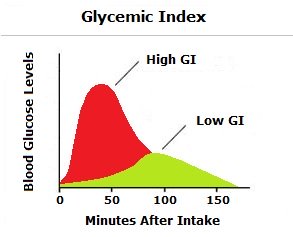
High GI foods such as white bread, white rice, processed starch breakfast cereals and pastries, potato fries, etc. break down quickly in the body causing a rapid release of blood sugar into our bloodstream. When your blood sugar goes up fast your pancreas produces insulin to regulate blood sugar levels. Insulin is a fat storage hormone which clears the blood from excess sugar and stores it as a fat. Eating high glycemic carbs will prevent the fat burning process, and depletes our energy levels. When insulin clears the sugar out of the bloodstream the sugar levels drop lower than they should be, as a result we feel hungry, exhausted, and unhappy and now your body craves sugar. Next, we overeat, and the cycle repeats itself. High glycemic foods stimulate appetite, promote weight gain, diabetes and other illnesses.
When we switch to low glycemic carbs such as whole grains, legumes and most fruits and vegetables, which break down slowly, causing a gradual release of glucose into the bloodstream, we don’t overproduce insulin, we feel better and are in a better position to burn fat. Eating foods with low glycemic index will ensure your diet is a healthy one. Studies undertaken by Dr. David J. Jenkins and his team in 1980-81 at the University of Toronto concluded that low GI foods were ideally suited to diabetics.
Which Foods are High GI and Low Glycemic Index Foods?
Foods such as oils, fats and protein foods don’t contain carbohydrates and for that reason have no GI value. Still, it does not mean that you can eat them as much as you want. The usual balanced healthy eating rules apply. For most carbohydrate foods and foods containing carbs, GI values have been identified, and you can even buy books containing the low glycemic food list.
 
|  
|
How to Enjoy Low Glycemic Index Foods?
- Choose oats, barley, bran based breakfast cereals.
- Enjoy sour dough, wholegrain and stone ground flour bread.
- Eat more fruits and vegetables (excluding potato).
- Eat plenty of salad vegetables with vinaigrette dressing.
- Enjoy wholegrain pasta, quinoa and brown rice.
- An alcoholic drink before the meal reduces the GI of the meal by 15 %.
Popular Low Glycemic Index Diet Plans
The Glycemic Load Diet or Low Glycemic Load Diet – lose weight and keep it off without “dieting”, a radical eating and exercise plan by cardiologist Dr. Rob Thompson, will help you to eat more of the foods you like and still lose fat.
Nutrisystem is low GI diet plan that controls portion sizes. Food is delivered straight to your door, but it’s not cheap.
South Beach Diet is a hugely popular low glycemic diet plan. The diet follows the basic principles of healthy eating. You are not going to be starving or fasting and it’s beneficial for your heart health.
 
|  
|  
|
Example of a Low Glycemic Index Diet Menu
A typical low glycemic index diet is high in low GI carbs and low in fat. Often when you simply change high GI carbs for low GI carbs you will feel more energetic and achieve weight loss. Below is a sample of the low glycemic index diet meal plan.
Breakfast:
Porridge with skim milk and raisins.
Lunch:
Vegetable soup wholegrain bread.
Apple.
Dinner:
Lean meat balls on wholemeal pasta.
Green salad.
Low fat yogurt.
Allowed drink:
Water, black or herbal teas, skim milk
Low Glycemic Index Recipes:
 
|  
|
 
|
Author: Lana Soko
Want to Learn More?
Like This Page?
|
Share This Page:
|

Search Our Site:

Free E-Book:

|
Join the newsletter and get a free welcome pack! |
We Recommend:
Looking to get your body into great shape? Get the very best results for your efforts and money! Save your valuable time from surfing the internet. These are theBestselling Weight Loss Programs

Programs that work and have thousands of satisfied customers worldwide!
Fat Loss 4 Idiots

Imagine losing in just 11 days up to 9 pounds in weight. You’ll learn how to ensure your metabolism keeps going so your body loses more fat.

 |
HOME Privacy Policy Disclaimer Contact Us
Copyright © 2025 Lose-Weight-With-Us.com. All rights reserved.
