Healthy Eating Guidelines
All about healthy diet and healthy eating guidelines, benefits of eating healthy, healthy eating diet advice, tips on eating healthy on a budget, eating out healthy, healthy diet for weight loss
We can all make a choice between eating healthily or eating foods which are full of saturated fat and avoiding fruit and vegetables.
We all want to live a healthy long life, and our body needs a healthy diet balanced with the right vitamins and minerals. If we eat too much, we’ll simply get fat, if we don’t eat the right foods, we may get sick.
So what is healthy eating? Well at a minimum we need to eat three meals a day providing the right level of calories for your age and height and the right level of vitamins and minerals. Research is now suggesting we should eat smaller portions and more frequently, but a lot will depend on the lifestyle we lead and whether we can adapt.
Health Benefits of Eating Healthily
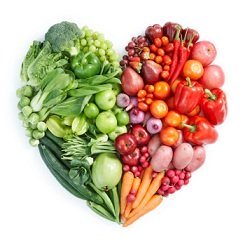
The potential health benefits associated with a healthy diet are huge. Our alertness should increase, improved brain function and memory. We should feel more active and more inspired to exercise. Arguably we could find an improved ability to control stress.
A healthier weight will mean improved digestion, and a reduction in the risk of getting diabetes. Our blood pressure should decrease and so should our levels of cholesterol which in turn improves our cardiovascular health. So start today.
What Foods are Healthy?
The basic list of healthy foods we should concentrate on are:
Fresh fruit and vegetables – the World Health Organisation (WHO) recommends we eat five portions of fruit and vegetables totalling 400g, every day (this excludes potatoes). This is to ensure we get the right level of vitamins, minerals and fiber into our diet. They are also very low in fat. Vegetables should be steamed so they retain as many of their nutrients as possible during the cooking process. Pulses, such as lentils, peas and beans are also included in this food group.
Lean Meat – meat is full of protein but we need to keep it lean to ensure we do not eat too much saturated fat. Red meat is great for iron but do not eat too often. Chicken, turkey and pork all provide a good balance.
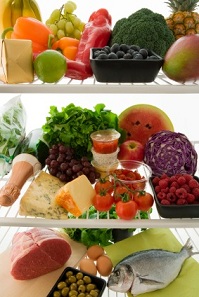
Fish – Fish is another great source of protein and also full of omega 3 which is a good fat, and other vitamins and minerals.
Starch – this includes foods such as pasta, rice, bread, cereals etc. These foods are full of carbohydrates, make us feel full and give us energy. We should eat wholemeal varieties where possible which contain lots of fiber. Starch is also a good source of the B vitamins, calcium and iron.
Dairy – this group includes milk, cheese, yoghurts and numerous desserts. We need dairy for calcium and protein. However, this group probably provides the highest fat content of them all and it’s the unhealthy saturated fat. If we don’t get the balance right we will simply put on weight and up will go our cholesterol levels. Adults and older children need to consider low fat milk and cheese. Zero fat yoghurts are available and taste just as good.
Water
Our body is substantially water, about two–thirds of it. We need to drink more than a litre a day to keep our bodies hydrated. Water helps cleanse our bodies and move the nutrients around from the food we have eaten.
Sugar and Salt
Fizzy drinks, biscuits, chips, ready-made meals, pretty much anything that’s unhealthy, are the worst culprits for giving us more sugar or salt than our bodies need. Sugar equals calories which can mean weight gain and a lack of the right vitamins and minerals. Salt can mean raised blood pressure which in turn can lead to heart disease.
Healthy Calorie Intake
Every one of us is different. Our age, sex, height and exercise routine will determine the number of calories that are right for us. Our metabolism slows as we get older, so we need to adjust the amount we eat to balance off against the calories that we burn each day. Use our calorie requirements calculator to find out how many calories a day you need. Also our healthy weight chart will help to keep you in a healthy weight range.
Healthy Eating at a Restaurant
We all want to eat out, but do not over order. Salads and stir-fry are two great healthy options. If the portions sizes are large, you don’t have to eat all the food that’s been prepared. For dessert have some fruit.
Healthy Eating on a Budget

Ditch takeaway and ready meals, they are high in fat, salt and sugar and more expensive then preparing food yourself. Cooking from scratch at home can be more time consuming but it is good for your health and more cost effective. If you start your day with eating a proper fiber rich breakfast including fruit, cereal or wholemeal bread, you will be less likely to buy a chocolate muffin later on in the morning. You can make your own sandwich for lunch using fresh salad leaves, chicken or lean ham, it will be cheaper than buying one. Fruit and vegetables are cheaper in season, freeze some to eat later. Vegetables are cheaper than meat, try adding more vegetables to your meat based dishes. You are going to save money on buying meat as well as eating more nutrient rich vegetables.
Be strict but not too strict. We all need an occasional treat but keep the balance right. Food is a great source of pleasure, and pleasure is good for the heart – even if those French fries aren’t!
Eating Healthy to Lose Weight
If you are looking for a healthy diet to lose weight fast - take a look at our free diet plans.
Want To Learn More?
Like This Page?
|
Share This Page:
|

Search Our Site:

Free E-Book:

|
Join the newsletter and get a free welcome pack! |
We Recommend:
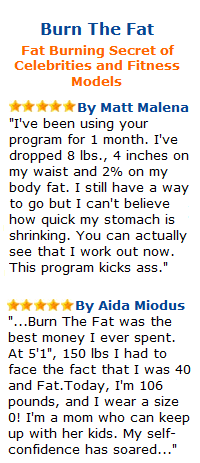
Looking to get your body into great shape? Get the very best results for your efforts and money! Save your valuable time from surfing the internet. These are theBestselling Weight Loss Programs
Programs that work and have thousands of satisfied customers worldwide!
 |
HOME Privacy Policy Disclaimer Contact Us
Copyright © 2023 Lose-Weight-With-Us.com. All rights reserved.
